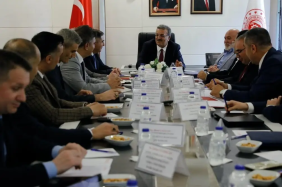
Today more than 100 governments, made historic commitments to end child violence; nine of them, Everyone who is in their home regularly 5 pledged to ban corporal punishment, a problem affecting 1 in 3 children. These commitments, children of government delegations through all forms of violence., Colombia will agree on a new global declaration aimed at protecting people from exploitation and abuse, Held at an important event in Bogota.
Governments of Colombia and Sweden to the World Health Organization (WHO), At the event co-hosted by UNICEF and the United Nations Secretary-General's Special Representative on Violence Against Children, While some countries have pledged to improve services for victims of childhood violence or tackle bullying, others said they would invest in critical parental support, one of the most effective interventions in reducing the risk of violence at home.
“Violence, although highly preventable, It remains a terrifying daily reality for millions of children around the world, leaving scars that last for generations.,” says. WHO Director-General Dr.. Tedros Adhanom Ghebreyesus. “countries today, They made critical commitments that, if enacted, could turn the tide against childhood violence. From providing life-changing support for families to making schools safer places or tackling online harassment, These actions will be essential to protecting children from permanent harm and poor health.”
More than half of all children worldwide (approximately 1 billion) child abuse (including corporal punishment, the most common form of childhood violence), tyranny, Presumed to have been subjected to some form of violence, such as physical or emotional abuse and sexual violence. Violence against children is often hidden, mostly takes place behind closed doors and remains largely unreported. WHO, estimates that less than half of affected children tell anyone about their experience of violence and less than 10% receive any help.
Such violence not only constitutes a serious violation of children's rights, It also increases the risk of immediate and long-term health problems. For some children, violence causes death or serious injury. Her 13 every minute, a child or adolescent dies as a result of homicide – This is approximately every year 40.000 equals preventable death. For others, exposure to violence has devastating and lifelong consequences. These include anxiety and depression, unsafe sex, including risky behaviors such as smoking and substance abuse, and decreased academic achievement.
Evidence, shows that violence against children is preventable and that the health sector plays a critical role. Among proven solutions, parental support to help caregivers avoid violent discipline and build positive relationships with their children; school-based interventions for children and adolescents to strengthen life and social skills and prevent bullying; Child-friendly social and health services for children exposed to violence; These include laws that prohibit violence against children and reduce underlying risk factors such as access to alcohol and weapons, and efforts to ensure safer internet use for children. Studies, when countries implement such strategies effectively, violence against children %20-50 has shown that they can reduce.
In line with the UN Convention on the Rights of the Child, The first global goals to end violence against children were set in the United Nations Sustainable Development Goals. However, despite the gains in some countries, Progress in reducing the overall prevalence of childhood violence has been slow. 10 about 9 out of 10 children, live in countries where common forms of childhood violence, such as corporal punishment or even sexual abuse and exploitation, are not yet prohibited by law.
Attended the First Ministerial Conference on Combating Violence Against Children, high level government delegations, kids, youth, More than 1,000 people participate, including victims of violence and civil society allies.
Specific commitments at the event include, ending corporal punishment, launching new digital security initiatives, Includes commitments to raise the legally permitted age of marriage and to invest in parenting education and child protection. WHO, technical guidance, Provides critical support to efforts to end childhood violence by guiding effective strategies for prevention and response and conducting new research and data, including global status reports.
Key statistics
- 2-17 More than half of all children aged, well 1 More than a billion children experience some form of violence every year.
- Her 5 3 in 3 children are regularly subjected to corporal punishment in their homes.
- Her 5 1 in every daughter and every 7 1 in 1 boy is exposed to sexual violence.
- of children %25 It is estimated that 50% to 50% of people have been bullied.
- Violence in teenage boys (mostly in which firearms or other weapons are used) has now become the leading cause of death.
Important commitments
- eight countries (Burundi, czechia, The Gambia, Kyrgyzstan, Panama, Sri Lanka, Uganda and Tajikistan) vowed to introduce legislation against corporal punishment in all settings. Nigeria is in schools.
- Dozens of countries pledge to invest in parental support.
- UK Government, committed to establishing a Global Taskforce, together with other partners, to end violence in and through schools.
- Tanzania, 25.000 committed to establishing Child Protection Desks in all schools.
- Spain, committed to introducing a new digital law to promote digital security.
- Solomon Islands, He pledged to raise the marriage age from 15 to 18, stating that early marriage is a significant risk factor for violence against teenage girls.
- many countries, made commitments to strengthen national policies and/or develop specific plans to combat violence against children.
- Source : https://www.who.int/news/item/07-11-2024-countries-pledge-to-act-on-childhood-violence-affecting–some-1-billion-children