Low glycemic index (low GI) diet, is a meal plan that focuses on how foods affect blood sugar levels (blood glucose levels). Glycemic index, food 0 ila 100 ranks on a scale between. However, while foods on the lower end of the scale have minimal impact on blood sugar, Those at the upper end cause a more significant increase in blood sugar., may be useful for managing blood sugar levels, especially for diabetics or those who want to maintain steady energy throughout the day.
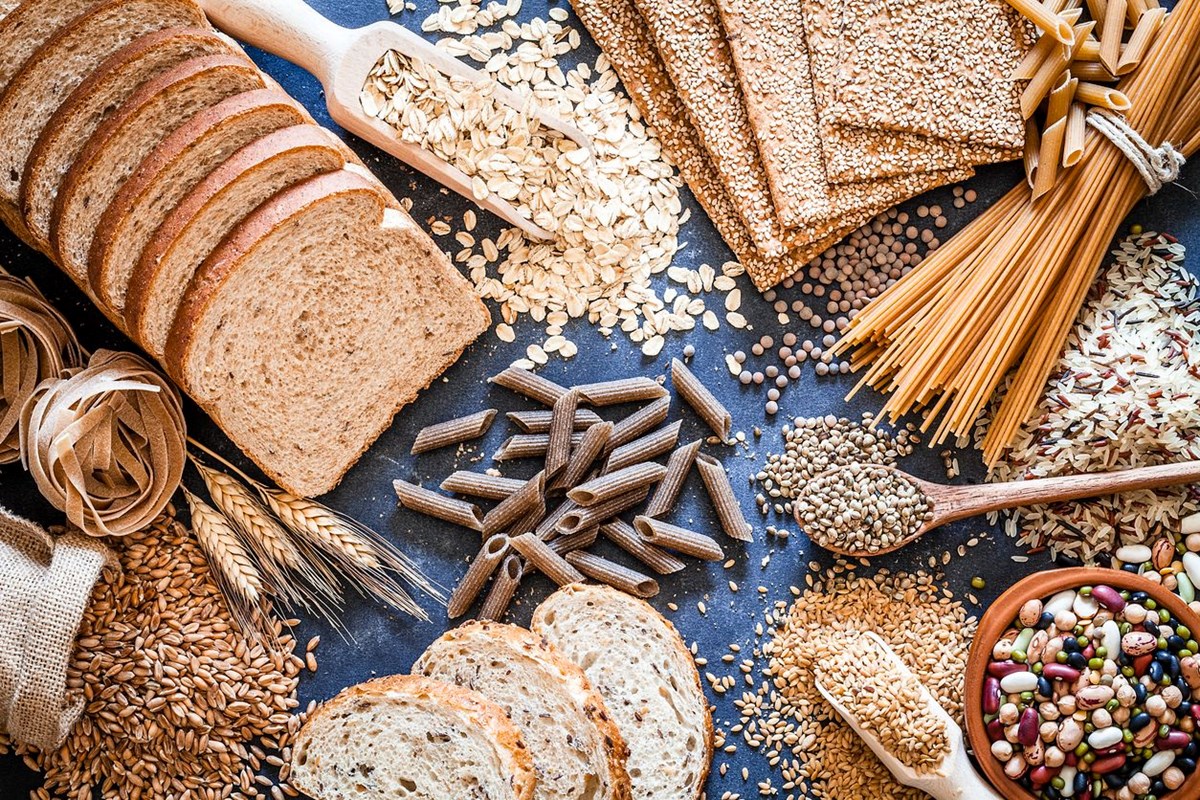
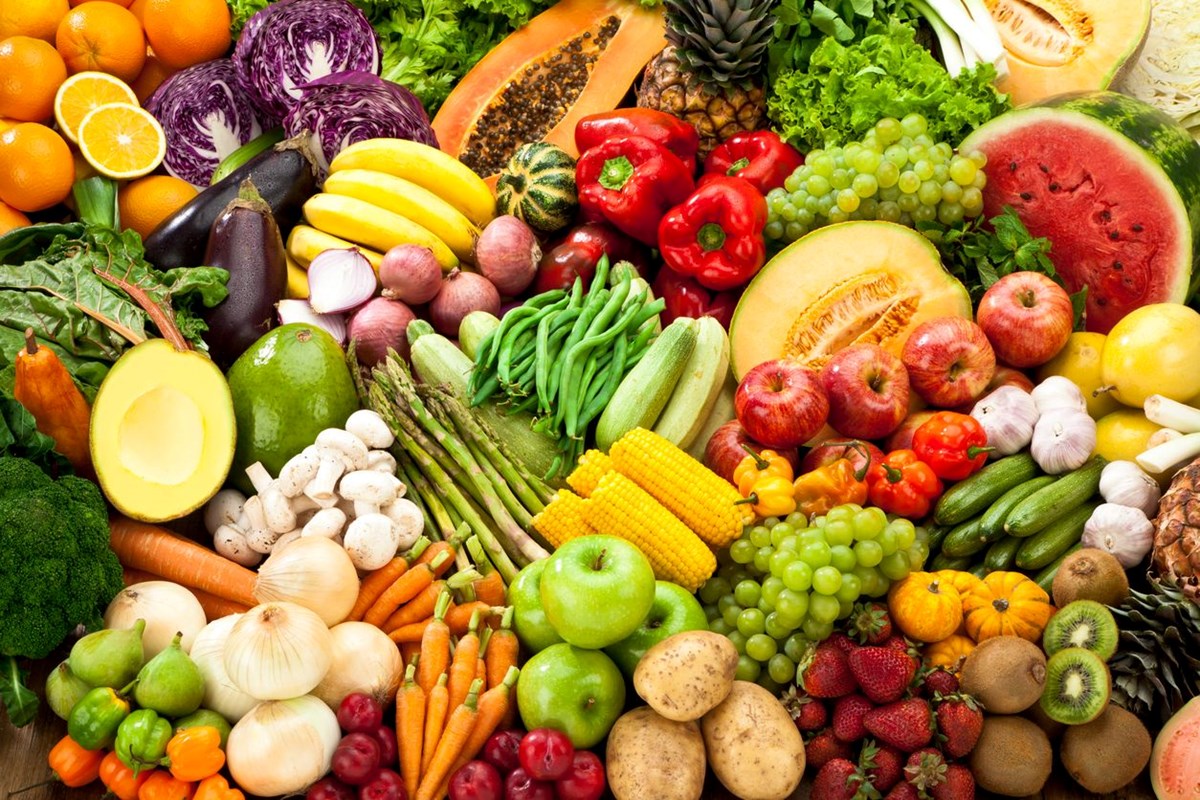
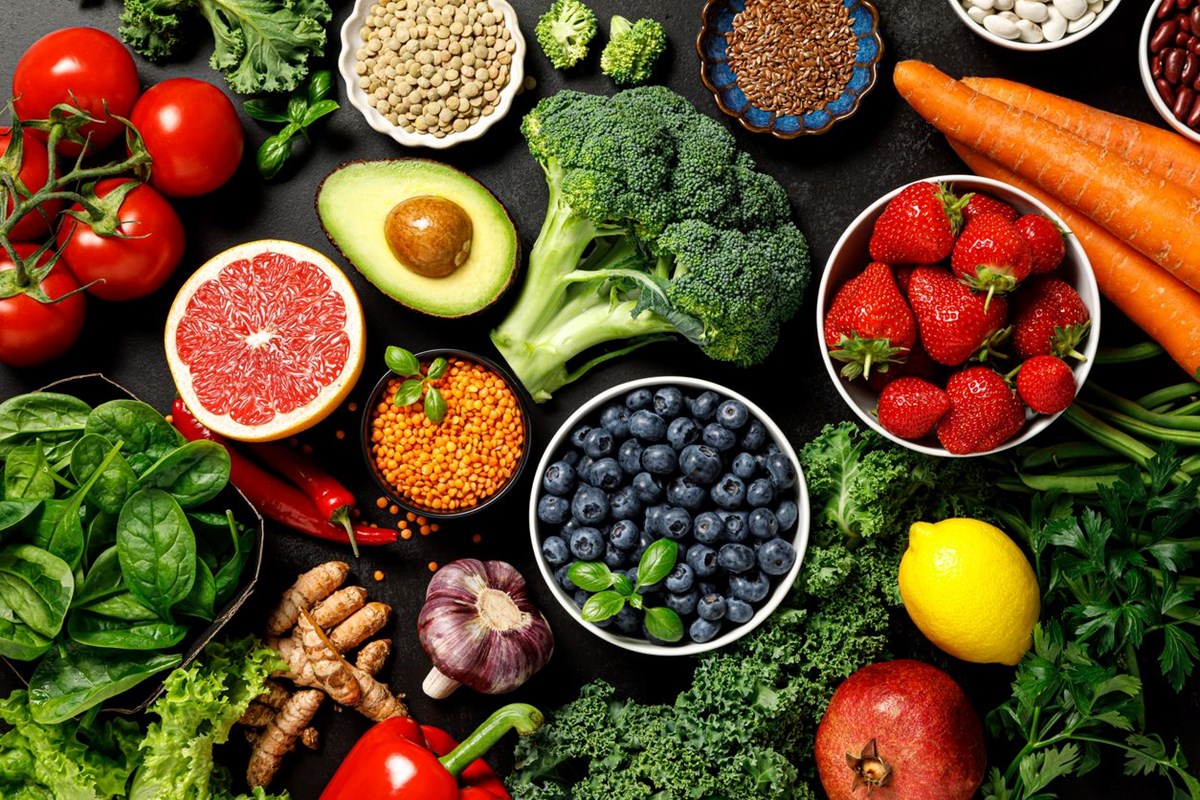
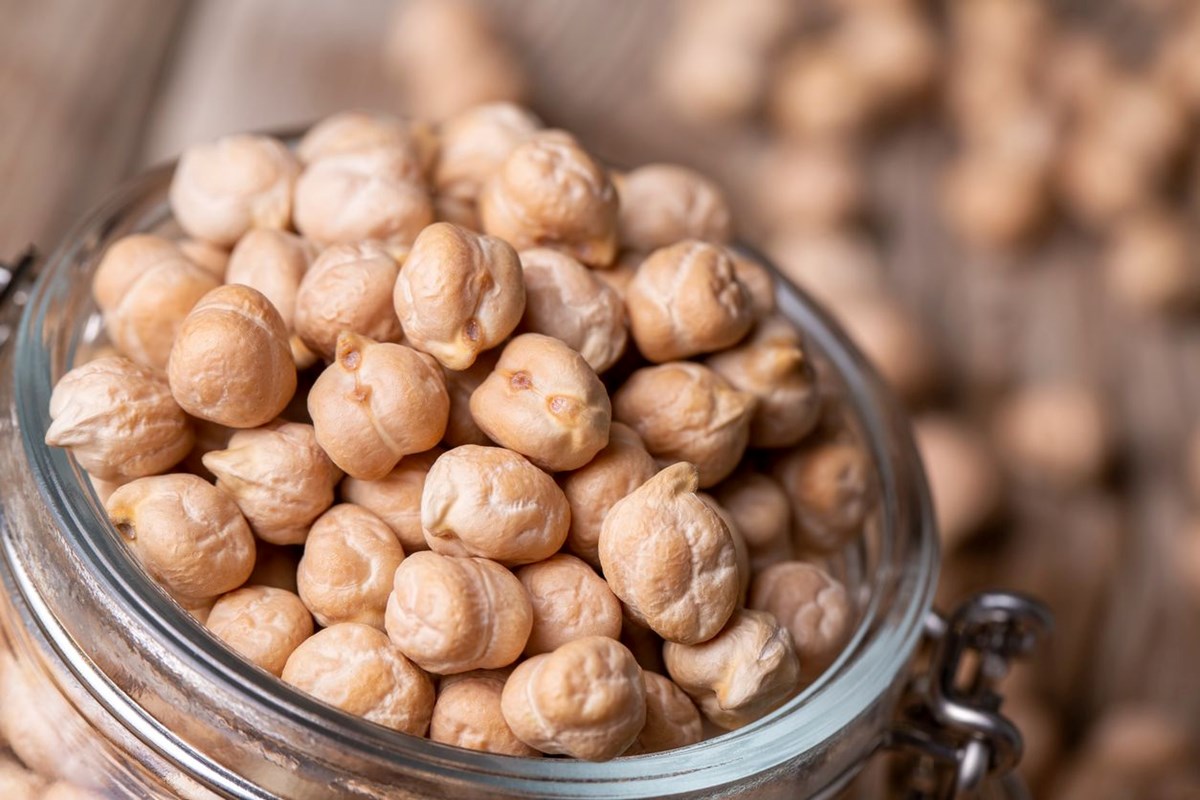
World Health Organization (WHO), low glycemic index as part of a balanced, healthy eating plan, especially for people managing conditions such as diabetes or at risk of heart disease (low GI) recommends diets.WHO, whole grains such as barley and quinoa, lentil, legumes such as chickpeas and kidney beans, spinach, non-starchy vegetables such as broccoli and tomatoes, elma, encourages the inclusion of fruits, such as pears and strawberries, and dairy products, such as milk and unsweetened yogurt.Against this, high GI foods (70more than) causes rapid increases in blood sugar and causes decreases in energy or fatigue 2 May lead to an increased risk of developing conditions such as diabetes. White bread as an example of a high GI food, sugary cereals and processed snacks can be offered.PROTECTS BLOOD PRESSURELow GI foods, helps maintain stable blood sugar levels, which is especially important for diabetics or people at risk of developing diabetes.Low glycemic index (low GI) foods, especially 'bad’ LDL, also known as cholesterol (low density lipoprotein) may have a positive effect on cholesterol levels by helping to lower cholesterol.Consuming low GI foods, by improving blood lipid profiles (such as lowering LDL cholesterol) and may reduce the risk of heart disease by reducing inflammation.Low GI foods, feelings of fullness, which helps control appetite and reduce the likelihood of overeating (saturation) helps encourage. This, May be beneficial in weight management and preventing obesity.A low GI diet, improving blood sugar control, Type by lowering insulin levels and supporting healthy weight management 2 may reduce the risk of developing diabetes.Studies, a low GI diet, shows that it may help reduce inflammation in the body that is associated with chronic conditions such as arthritis and cardiovascular disease.Adding more low-GI foods to your diet, may contribute to long-term health benefits and help reduce the risk of various chronic diseases.