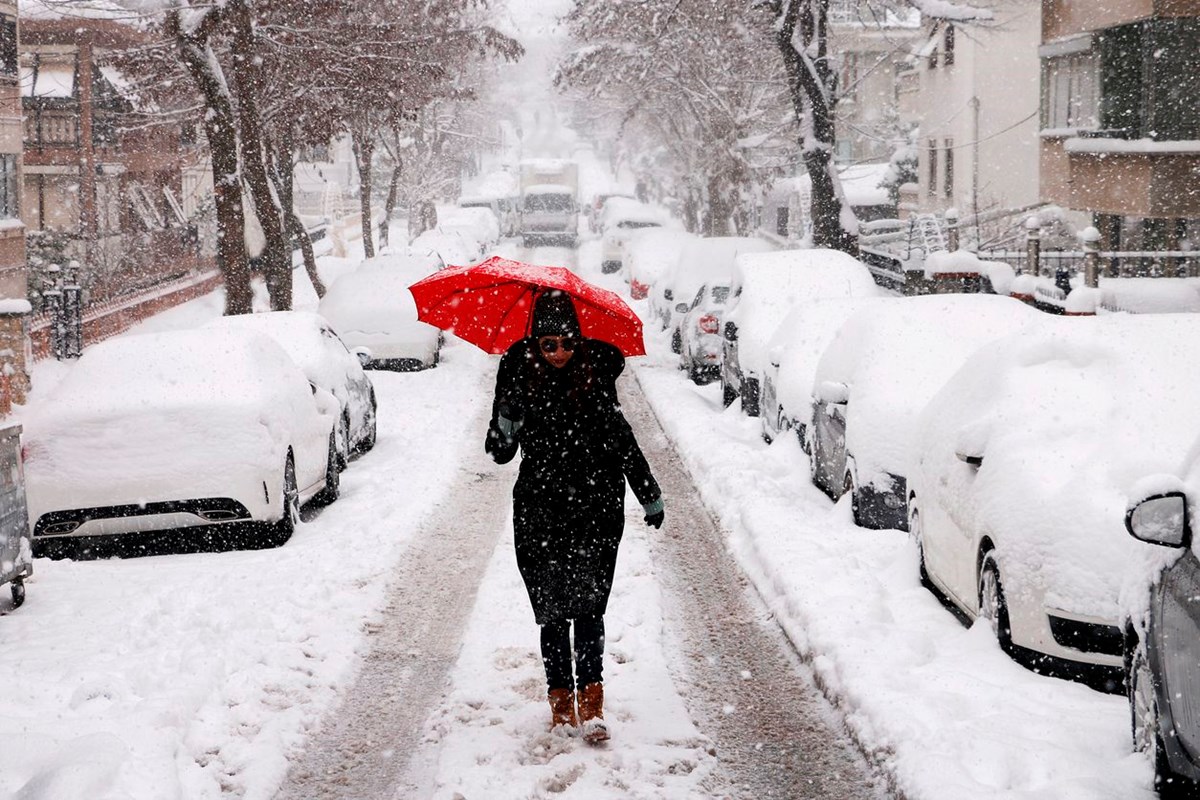
When the winter months arrive, your body may be more vulnerable to certain health problems.. Viruses love cold weather. Cold weather also weakens the immune system, increases the prevalence of respiratory diseases. Alright, What are the most common diseases in winter??
When winter comes and the weather gets colder, your immune system weakens.. Decreased immunity may predispose to diseases. Therefore it is important to strengthen the body and immunity.You spend more time indoors in winter. This may cause diseases to spread faster..These elements, especially when combined with diet and lifestyle changes, grip, seasonal affective disorder (SAD), increases the likelihood of diseases, including joint discomfort and other ailments associated with cooler temperatures and less daylight.Cold weather paves the way for viruses that cause flu, increases the likelihood of respiratory illnesses. Less exposure to sunlight can also weaken the immune system and make a person more vulnerable.. stay warm, washing your hands and getting a flu vaccine can help.Snowy and icy surfaces increase the risk of falls and injuries, especially in older people.. Fractures and sprains can result from slippery conditions. Winter-related incidents can be prevented by wearing appropriate footwear and being careful on icy surfaces.many people, altering serotonin levels and disrupting circadian cycles, suffers from SAD, a form of depression associated with less sunlight. Vitamin D pills and light therapy may help reduce symptoms.Weight gain is often the result of winter comfort foods and fewer outdoor activities. in winter, people often seek out foods high in carbohydrates, which can lead to an increase in calorie intake. Excessive weight gain can be prevented by arranging nutritious meals and maintaining an active lifestyle.Whom, cold weather due to cold conditions can aggravate respiratory allergies and cause asthma attacks. Breathing can be made easier by using humidifiers and wearing a scarf that covers the mouth and nose when outside.Reducing sun exposure during winter months, may cause vitamin D deficiency, which can affect bone density and immune function. Maintaining proper levels, Can be achieved by taking vitamin D supplements or adding vitamin D-enriched foods to the diet.Muscles contract in cold weather, Joint pressure increases and arthritis worsens. Pain, by exercising, can be reduced by keeping joints warm and controlling inflammation with food.Whom, cold weather causes the skin to lose moisture, This often causes dryness, causes itching and eczema flares. Maintain skin moisture, heavier moisturizers, can be achieved using indoor humidifiers and adequate hydration.Blood vessel constriction caused by cold temperatures can increase blood pressure and strain the heart. This, increases the risk of heart attack, especially in people with heart problems. It is recommended to dress warmly and avoid sudden physical activities in cold weather..Pneumonia and bronchitis, It is among the most common respiratory diseases in winter months.. Diseases can spread as cold weather disrupts respiratory defenses. staying warm, You can avoid infections by avoiding crowded areas and washing your hands frequently. By being aware of how the weather can affect your health, you can prevent some of these problems by adopting healthy lifestyle habits.